CBG Benefits: What It's Good For + Common Uses
If CBD is the warm blanket of the cannabis world, CBG is the double-shot of espresso.
For years, Cannabigerol (CBG) was merely a whisper in the industry. It was expensive, rare, and difficult to extract. It was often referred to as the "Mother of Cannabinoids" because it is the chemical precursor, the stem cell from which all other cannabinoids, including THC and CBD, eventually evolve.
In a mature plant, CBG has usually almost entirely converted into other compounds, leaving less than 1% behind. However, breeders have recently cracked the code. We now have hemp strains bred specifically to keep CBG dominant, allowing us to finally explore the unique personality of this molecule.
That personality is distinct. While other cannabinoids are used to wind down, CBG is increasingly used to wake up. It is the functional, energetic, and clarifying cousin in the family. It is non-intoxicating, meaning it will not get you high or impair your cognitive function, but it offers a tangible shift in mental state that many describe as "clean energy."

What Is CBG Good For?
CBG has carved out a very specific niche. It is primarily used by people who want the wellness benefits of cannabis but cannot afford to be sedated. It is the daytime cannabinoid.
Practically, CBG is most famous for two things: focus and gut health. Users report a distinct "sharpening" of the mind, making it a popular alternative to caffeine or a supplement for those struggling with attention issues. It does not produce the jitters of stimulants, but it lifts the mental fog.
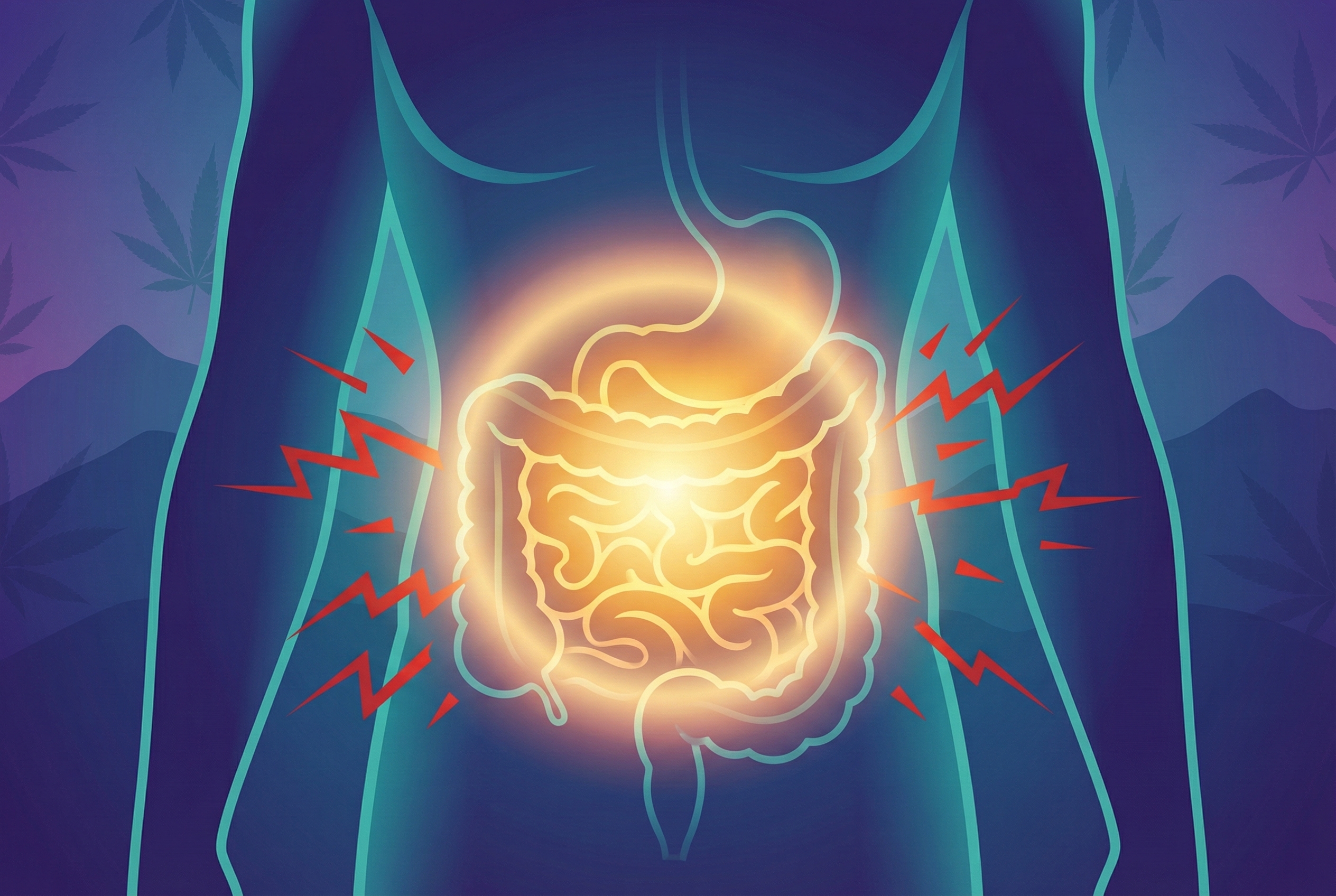
Physically, CBG is a powerhouse for the digestive system. It is widely sought after by those with Irritable Bowel Syndrome (IBS) or general gastric distress. It targets the digestive tract in a way that CBD does not, offering relief for cramping and inflammation in the gut.
Additionally, it is used as a non-intoxicating appetite stimulant, which is a rare trait. Usually, if you want the "munchies," you have to accept the high of THC. CBG offers the hunger without the haze.
Benefits of CBG
To understand why CBG works differently, we have to look at its mechanics. Unlike CBD, which acts like a modulator or a dimmer switch, CBG binds directly to both CB1 and CB2 receptors. It attaches to the same neuro-receptors as THC but acts as a buffer rather than an activator of psychoactivity. This direct binding is likely why its effects are felt more acutely and energetically than the subtle background work of CBD.
Focus and Mental Clarity
This is the headline benefit for the modern worker. CBG is arguably the best cannabinoid for productivity. It appears to interact with adrenergic receptors, the same systems that manage adrenaline and alertness.
Users describe the sensation as a "flow state." It quiets the distracting noise of the brain without dulling the senses. For people who find that CBD makes them too relaxed or sleepy to work, CBG is the solution. It pairs exceptionally well with morning routines, helping to lock in attention on tasks without the crash associated with sugar or caffeine.
Gut Health and Digestive Support
The gut is often called the "second brain," and it is lined with cannabinoid receptors. CBG shows an incredible affinity for this area. Preclinical studies have shown CBG to be highly effective in reducing inflammation in the colon. In animal models of inflammatory bowel disease (IBD), CBG reduced nitric oxide production and protected against intestinal damage.
While we are waiting for large-scale human trials, the anecdotal consensus is strong. People with sensitive stomachs use CBG oil daily to keep inflammation down and digestion smooth. It seems to act as a pacifier for an angry digestive tract.
Appetite Stimulation (Without the High)
For decades, patients undergoing treatments like chemotherapy or suffering from cachexia had one option for appetite stimulation: THC. The problem is that not everyone wants to be stoned at the dinner table. CBG offers a breakthrough here.
Studies on rats have shown that CBG administration significantly increased food intake. It sparks the drive to eat. This makes it an incredibly valuable tool for the elderly, for those in recovery, or for anyone who struggles to maintain a healthy caloric intake but needs to stay sober and functional.
Intraocular Pressure (Eye Health)
One of the oldest known benefits of cannabis is its ability to help with glaucoma. It turns out that CBG might be responsible for a large part of that lifting. Research dating back decades indicates that CBG has vasodilating properties and can help reduce intraocular pressure. While it is not a replacement for prescription glaucoma medication, it suggests that CBG plays a significant role in fluid drainage and pressure regulation within the eye.
Bacterial Resistance
This is a benefit that surprises many. CBG has demonstrated potent antibacterial properties. In lab settings, it has been shown to kill methicillin-resistant Staphylococcus aureus (MRSA), a notorious superbug that resists standard antibiotics. While you shouldn't try to cure an infection with store-bought oil, this property highlights the immense potential of CBG as a topical agent for keeping skin bacteria in check.
How to Get Better Results
Because CBG is an energy-leaning cannabinoid, timing is critical. Do not take CBG at 10:00 PM. For most people, it will keep you awake. It is best utilized in the morning or during the "2:00 PM slump."
The dosage curve for CBG is also unique. Because it binds directly to receptors, "less is more" often applies. You may find that a small dose of 10mg produces a sharp, clear focus, while a large dose makes you feel restless. You have to experiment to find the sweet spot.
Furthermore, CBG shines when combined with CBD. This combination is often sold as "Daytime Wellness" blends. The CBD takes the edge off any potential jitteriness, while the CBG prevents the CBD from making you drowsy. They cover each other's blind spots. If you are buying CBG flower, look for "CBG White" or "The White" strains; these are frosty, lacking the strong smell of terpenes, but packed with the mother cannabinoid.
CBG Benefits Chart
CBG is a specialized tool. This chart helps you identify if its specific strengths match your needs.
| Benefit Goal | What People Notice | Best Forms | Timing | Evidence Level |
|---|---|---|---|---|
| Focus/Energy | Alertness, "flow state," mental clarity. | Tinctures, Capsules | Morning/Afternoon. | Anecdotal/Emerging |
| Gut Health | Reduced cramping, better regularity. | Softgels, Oil | Daily (consistent). | Strong (Animal Models) |
| Appetite | Increased hunger. | Oil, Edibles | 30-60 min pre-meal. | Moderate (Animal Models) |
| Eye Pressure | Relief behind eyes. | Tinctures | Varies. | Moderate (Historical) |
| Pain/Inflammation | Targeted relief. | Topicals, Oil | As needed. | Moderate (Preclinical) |
What the Science Actually Supports
We are in the early days of CBG research. Because the plant naturally converts CBG into THC or CBD as it grows, scientists historically had very little of it to study. It was simply too expensive to extract.
The "Evidence Ladder" here is heavily weighted toward preclinical animal studies. We have excellent data showing CBG reduces colon inflammation in mice. We have data showing it kills bacteria in petri dishes. We have data showing it stimulates appetite in rats. What we lack are the massive human clinical trials that CBD has. There is no "Epidiolex" for CBG yet.
However, human observational surveys are promising. In a survey of over 120 cannabis users, the majority reported that CBG-dominant products were superior to conventional pharmaceuticals for treating conditions like chronic pain, depression, and insomnia, with a much lower side-effect profile. We must remain cautious, but the signal is positive.
CBG vs Other Cannabinoids
Comparing CBG helps clarify its unique position as the "Productivity Cannabinoid."
CBG vs. CBD
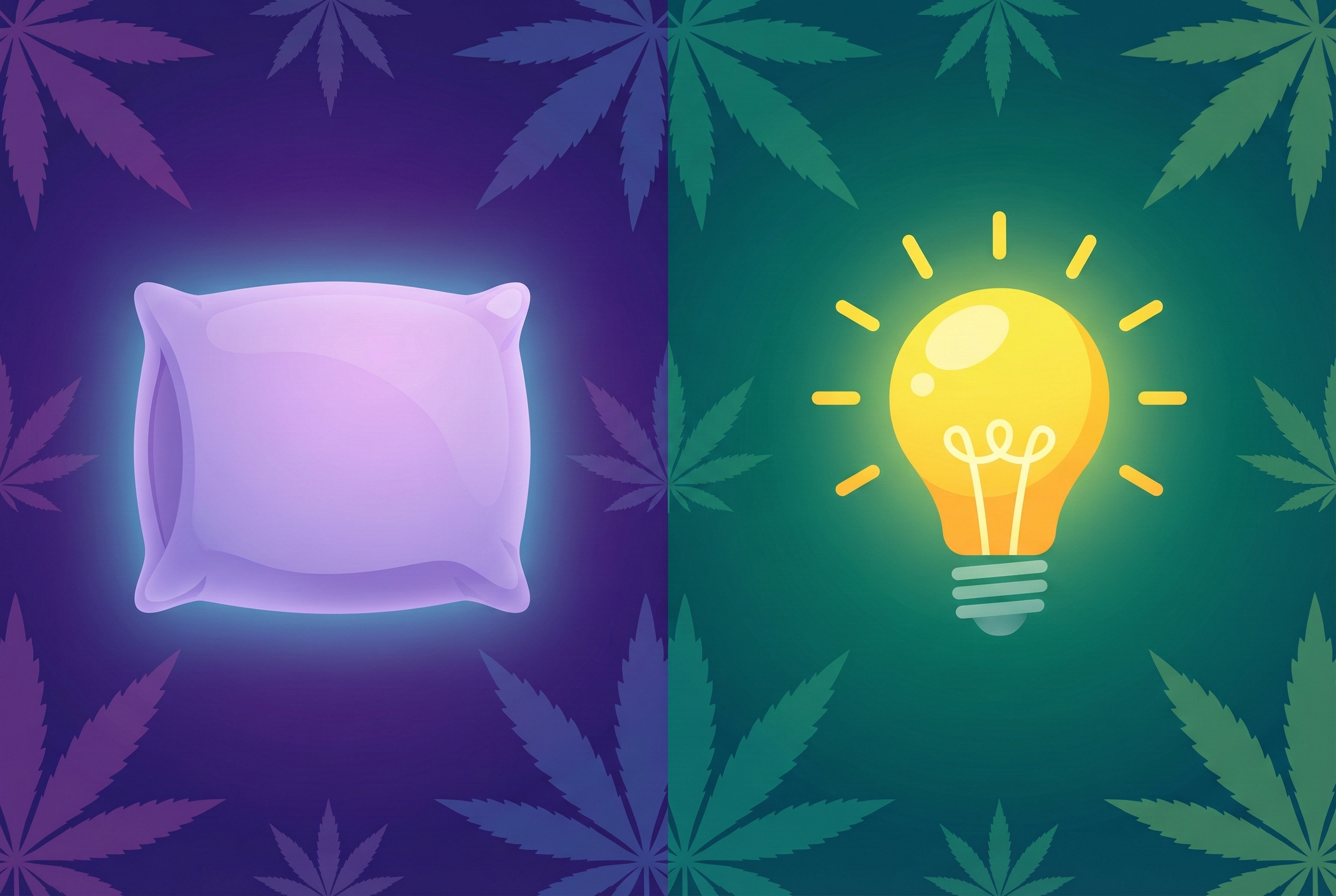
This is the most important distinction. CBD is for chilling out; CBG is for tuning in. CBD modulates the system gently; CBG binds directly. If CBD makes you feel too groggy or lethargic, CBG is the alternative. They are like the difference between chamomile tea (CBD) and green tea (CBG).
CBG vs. THC
CBG will not get you high. It can enhance your mood, likely due to its interaction with anandamide (the bliss molecule) and GABA uptake, but it does not cause the intoxication or paranoia of THC. In fact, some evidence suggests CBG might work to buffer or counteract the paranoia caused by THC if taken together.
CBG vs. Caffeine
While not a cannabinoid, this is the most common comparison. CBG provides alertness, but without the adrenaline spike that causes shaking hands or a racing heart. It is a smoother, more cerebral stimulation.
Benefits: Key Takeaways
- CBG is the rising star for a reason. It offers a solution for the person who needs to function at a high level.
- It is primarily used for focus, energy, and digestive health.
- It distinguishes itself from the rest of the pack by being uplifting without being intoxicating.
- It is the "Mother of Cannabinoids," and it seems to carry the wisdom of the whole plant.
- It is best suited for daytime use, for people with sensitive stomachs, and for those seeking a mental edge without the crash.
Frequently Asked Questions
What is CBG used for?
CBG is primarily used for daytime focus, energy, and digestive support. It is popular among people who want to manage inflammation or anxiety but need to remain sharp and productive for work.
What is CBG good for?
It is exceptionally good for gut health issues like IBS and colitis due to its anti-inflammatory effects in the digestive tract. It is also good for stimulating appetite in those who want to avoid the intoxication of marijuana.
What does CBG do for you?
It interacts directly with both CB1 and CB2 receptors in the brain and body. This interaction boosts anandamide levels, promoting a sense of well-being and alertness while simultaneously fighting inflammation.
How long does it take to notice benefits?
Like other cannabinoids, inhalation is instant. Tinctures take 30 to 45 minutes. Because CBG is often used for focus, users typically report feeling the "shift" in mental clarity relatively quickly after the dose kicks in.
Can you take CBG every day?
Yes. It is non-intoxicating and non-addictive. Many users take it every morning as part of their daily routine, similar to a vitamin or a cup of coffee.
Does CBG get you high?
No. While it can produce a slight mood lift or a feeling of "crispness," it does not produce the impairment, confusion, or euphoria associated with a THC high.
Disclaimer: This guide provides general educational information only and does not constitute medical advice. Always consult a qualified medical professional before using cannabinoids, especially if pregnant, nursing, or taking medication.